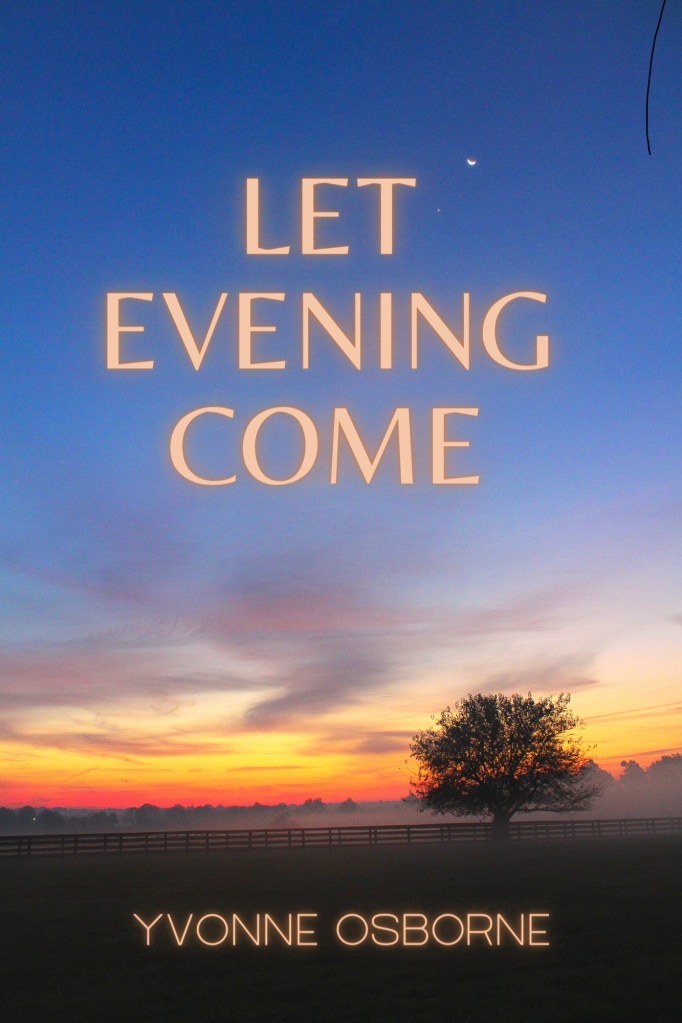
Let Evening Come is a beautiful narrative that explores love, loss, and cultural identity through the intertwining lives of Sadie Wixom and Stefan Montegrand. Osborne paints vivid landscapes of Michigan and Canada, bringing readers into the unique geographical and emotional terrains her characters traverse.
Osborne’s greatest strength is her ability to craft multifaceted and emotionally resonant characters. Sadie, whose resilience is shaped by the loss of her mother in a tornado, serves as the novel’s emotional core. Her journey is tenderly juxtaposed with Stefan’s displacement from his ancestral land. The novel portrays their connection, which starts out with tension but grows naturally through shared experiences of grief and societal marginalization.
The writing is lyrical without being overwrought, allowing readers to feel connected to different elements of the story such as Sam’s and Stefan’s tense encounter with one of the Bolton’s when they go looking for their boomerang, or Sadie’s growing curiosity about Stefan’s family that her Aunt Helen and Uncle Larry took in. The dialogue is authentic, and Osborne handles the complexities of Indigenous identity and rural American life with sensitivity and nuance. The story reads in such a way that it feels real. There is a lot of backstory that helps to shape the entire narrative, such as Stefan’s father supposedly being imprisoned on trumped up charges and the greedy companies that pushed Stefan’s people off their land to access uranium and oil.
Readers will appreciate the rich themes of environmental justice, cultural heritage, and youthful rebellion against societal prejudices. Stefan’s internal conflict and his brother Joachim’s activism add depth to the overarching narrative, illustrating the broader implications of land exploitation and Indigenous resistance. What really stands out with Joachim is the backstory of his boarding school days when he was forbidden from and beaten for speaking the native Denesuline language. Many readers will be emotionally connected to Joachim’s character and his story.
The novel ultimately follows Sadie and Stefan as they navigate personal and cultural challenges, which brings them closer to one another. This journey highlights the barriers they face—social, political, and familial—culminating in a narrative that is as much about the resilience of love as it is about the quest for belonging.
The pacing is deliberate but rewarding. Osborne dedicates significant time to character introspection, which enriches the narrative but may slow the momentum in some areas. However, this measured pace allows for a deeper exploration of the novel’s central themes.
The plot balances external conflicts such as displacement and prejudice, with internal struggles, creating a layered reading experience. The dual settings of rural Michigan and Canada provide a compelling backdrop, with nature serving as a silent yet powerful character throughout the novel.
Let Evening Come will resonate deeply with readers who appreciate literary fiction that delves into themes of loss, cultural identity, and environmental justice. Fans of Barbara Kingsolver or Louise Erdrich will find Osborne’s narrative style and thematic focus familiar and compelling. Young adult and adult readers alike will connect with the coming-of-age elements and the broader social commentary woven throughout the novel.
Yvonne Osborne’s Let Evening Come is a poignant and thought-provoking novel that explores the intersections of love, grief, and cultural heritage. It stands as a testament to the power of resilience and the enduring nature of the human spirit. Readers drawn to richly detailed, character-driven narratives will find much to admire in Osborne’s novel.
Discover more from A Look Inside X LitVerse
Subscribe to get the latest posts sent to your email.

