A Gripping Thriller with Profound Moral Complexity
Rating: ⭐️⭐️⭐️⭐️
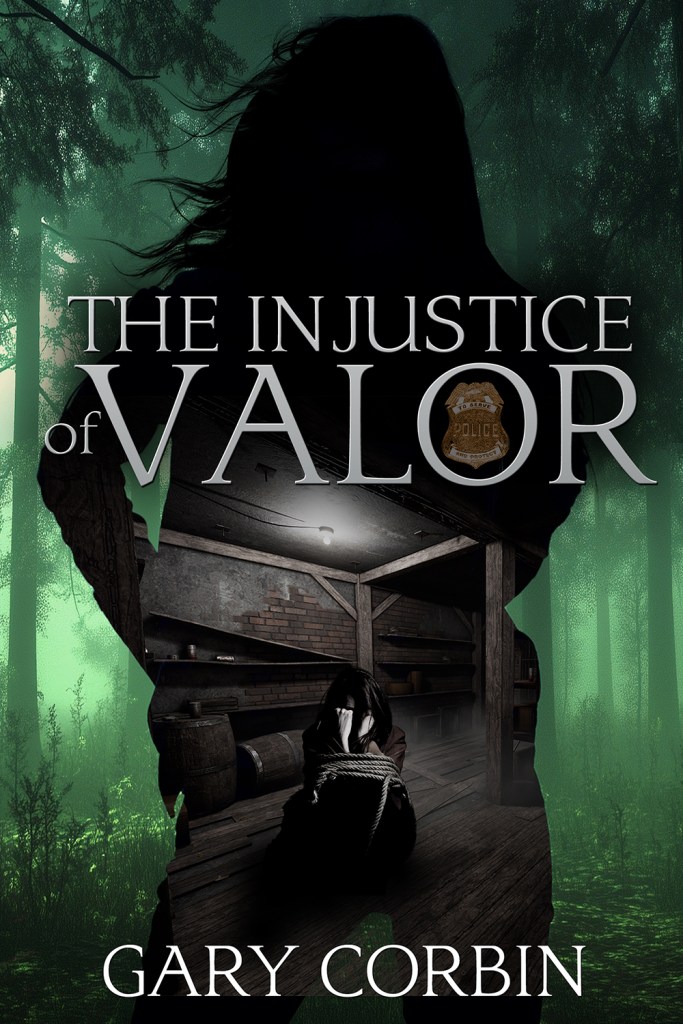
Gary Corbin’s novel, The Injustice of Valor, expertly balances the intensity of a gripping crime thriller with profound explorations of morality, justice, and personal relationships. Set in the small town of Greenville, Connecticut, the narrative opens dramatically as a calculated act of vigilante justice unfolds under the cover of darkness. Officer Valorie Dawes of Clayton’s Women’s Anti-Violence Emergency Squad (WAVE) soon becomes involved in investigating this act when a familiar yet controversial suspect is discovered brutally murdered, casting suspicion on those closest to the case.
Corbin’s writing is vivid and immediately immersive, pulling readers into the gritty reality of police work and the emotional toll it exacts. The plot moves with deliberate pacing, gradually increasing tension as Val navigates the complexities of the justice system and personal entanglements. Fans of crime fiction will particularly appreciate the nuanced representation of investigative procedures and the intricate portrayal of ethical dilemmas faced by law enforcement officers.
Valorie Dawes emerges as a strong protagonist, with realistic vulnerabilities and admirable dedication to justice. Corbin masterfully blends her professional challenges with personal struggles, particularly in her relationship with boyfriend and fellow officer Gil Kryzinski, providing depth and authenticity to her character. Secondary characters, such as the abrasive but impactful Detective Shannon O’Reilly, mentor figure Bobby Grimes, and the controversial Detective Ed Simpson, add layers of interpersonal conflict and realism to the narrative.
Themes of justice, vigilantism, and the emotional impact of crime underscore the novel, explored thoughtfully without becoming preachy. The symbolism surrounding acts of valor—questioning what truly constitutes bravery or heroism—offers readers space to reflect. Yet, the novel occasionally falters when delving into subplot dynamics; some dialogues feel repetitive, and certain emotional conflicts could benefit from deeper development. Addressing these aspects would heighten reader engagement and emotional resonance. One example of a subplot in The Injustice of Valor that could benefit from deeper exploration is Valorie Dawes’ relationship dynamic with Gil Kryzinski, especially surrounding his illness and unexpected reconnection with his ex-fiancée, Jessica. While Corbin sets up significant emotional stakes here—Gil’s mysterious illness, the tension from Jessica’s re-entry into Gil’s life, and the underlying threat posed by the COVID-19 pandemic—this subplot occasionally feels rushed or superficially resolved. The complexities of Val’s insecurities and Gil’s emotional turmoil, introduced compellingly in early interactions, aren’t fully explored in later chapters. Spending more narrative time unpacking their internal conflicts, providing richer dialogue, and clarifying motivations would strengthen reader investment and lend greater emotional resonance to this aspect of the story.
Target readers of The Injustice of Valor are primarily fans of crime thrillers and psychological suspense, particularly those who appreciate character-driven narratives steeped in ethical ambiguity. Corbin’s attention to procedural accuracy and ethical complexity will also appeal to readers drawn to realistic portrayals of police work.
Overall, The Injustice of Valor is a compelling, thought-provoking novel that adeptly balances crime-driven suspense with profound emotional depth. Readers who value intricate storytelling with authentic characters navigating moral ambiguity are likely to find this book particularly engaging and memorable.

