Rating: ⭐️⭐️⭐️⭐️
Headline: A Quietly Brilliant Sci-Fi Novel That Explores Identity, Memory, and Meaning
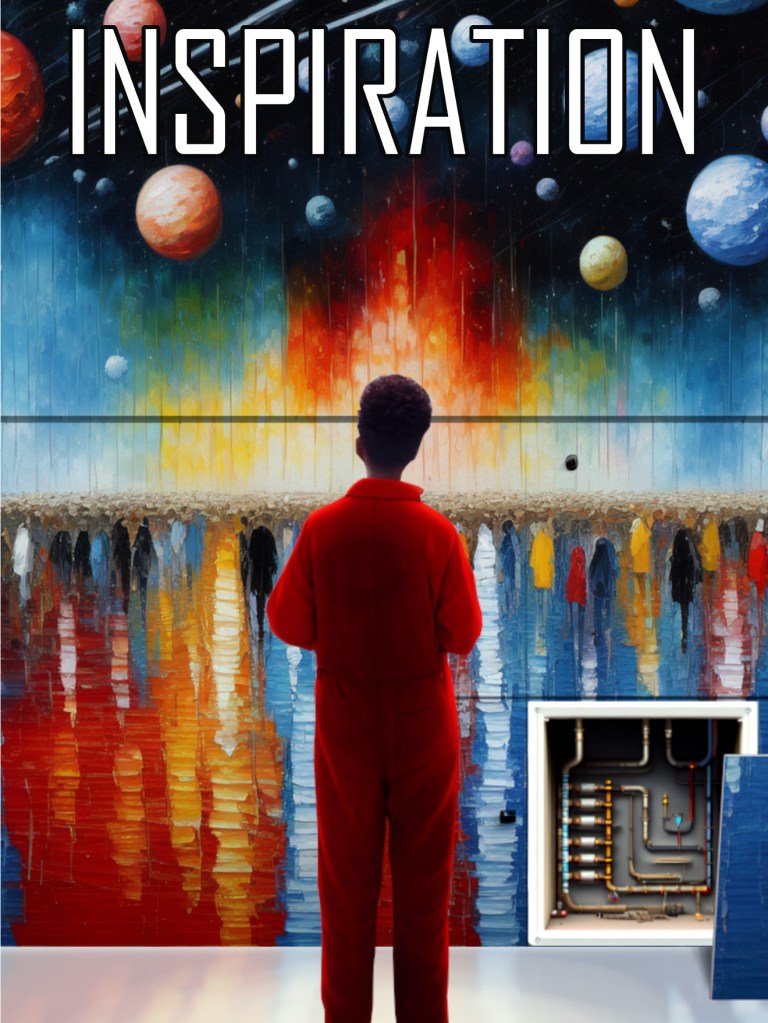
David Churcher-Muria’s Inspiration is a quietly powerful, character-driven science fiction novel that trades spectacle for substance, exploring the deeply human experiences of anxiety, identity, and emotional resilience. Set aboard a large, rotating space station, the story follows a seemingly unremarkable technician whose days are filled with routine maintenance and social avoidance—until a strange and unsettling event disrupts both the ship’s operations and the protagonist’s personal world. What unfolds is not your typical high-octane sci-fi drama, but rather a thoughtful, nuanced journey into the mind of someone quietly learning how to lead, connect, and heal.
The book’s structure is subtle but effective. The rising action introduces us to the protagonist’s daily life—peppered with internal monologue, awkward encounters, and low-level unease. As unexplained disturbances ripple through the station, the tension rises with deliberate pacing. Rather than building to a dramatic external battle, the climax delivers a more personal reckoning: the protagonist must decide what kind of person they’re becoming in the face of mystery, fear, and relational strain. The falling action and ending mirror the story’s tone—introspective, patient, and quietly meaningful, with closure that favors emotional clarity over spectacle.
The cast of characters is what truly gives Inspiration its depth and warmth. The protagonist, whose name is never revealed, is a deeply introspective and anxious individual whose transformation into a quiet leader is subtle but profoundly moving. Shara, their closest friend, is emotionally intuitive and grounding—often posing the questions the protagonist would rather avoid, yet always providing support. Marcus offers a touch of levity and practicality, while Saito adds complexity and a hint of flirtation that reveals more about the protagonist’s internal struggle. Kereen, sharp and inquisitive, helps propel the investigation forward, and supporting figures like Director Canna, Dr. Varn, Hollis, and Tay round out a diverse, believable crew whose presence enriches the story.
Told in a first-person voice that blends dry humor with self-doubt and philosophical introspection, the novel’s tone is emotionally intelligent and restrained. The style leans toward literary science fiction—less about advanced tech and alien worlds, more about human interaction, memory, and growth. It echoes the work of authors like Becky Chambers, Martha Wells, and Lois McMaster Bujold, appealing to readers who prefer internal journeys over external explosions.
Themes explored throughout the book include personal growth in isolation, the tension between duty and identity, trust and friendship under pressure, and the role of memory and trauma in shaping who we are. The story also quietly celebrates the significance of seemingly small moments—acts of kindness, difficult conversations, and the choice to show up even when you’d rather disappear.
Ultimately, Inspiration is a novel for readers who seek out quieter, more reflective science fiction. It’s for those who see courage in vulnerability and heroism in showing up for others when it matters most. Fans of The Long Way to a Small, Angry Planet, The Galaxy, and the Ground Within, or A Psalm for the Wild-Built will find themselves right at home. This isn’t a story about saving the universe—it’s about saving yourself, one honest decision at a time.
Discover more from A Look Inside X LitVerse
Subscribe to get the latest posts sent to your email.

