What I loved most about this book is how confidently it lets you care first and deduce second. You meet people before you meet puzzles: a woman starting over after a painful split, a brother who is equal parts teasing and protective, a tight-lipped detective who’d rather not admit how quickly this case gets under his skin. By the time the first inexplicable death is on the table, you’re already invested in who these folks are when the curtains are drawn and the lights are off. That emotional buy-in is the story’s superpower, and it makes the reveals land with a deeper thud.
The writing style is crisp without being brittle, full of sly asides and dialogue that actually sounds like something real humans would say after a long day and not enough tea. The period detail (mid-’60s) hums along in the background rather than shouting, so even when the novel taps hot-button issues—gendered double standards, class snobbery, whispered judgments about who’s “respectable”—it never turns didactic. Instead, it lets a raised eyebrow, a too-polite welcome, or a suspiciously neat verdict do the talking. There’s warmth and wit here, but also a steady undertow of menace; you always feel a draft even in crowded rooms.
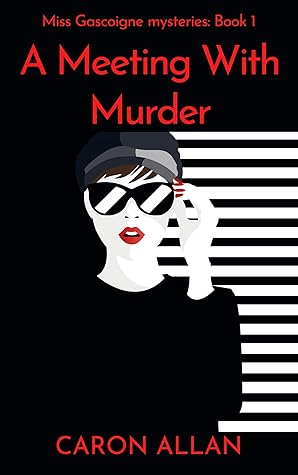
On the plot front, the book starts as a character study and then tightens, notch by notch, into a fair-play mystery. Anonymous letters slither through the community and stir up small shames. An unexpected death is briskly explained away, but something about the staging is wrong, and our protagonist can’t let it go. Before long, a second tragedy fractures that fragile “nothing to see here” calm. The story moves between intimate domestic scenes—coffee poured, cakes judged, personal histories shared—and set pieces that crime readers will recognize and relish: a sour inquest, a dinner where smiles are lacquered on, a community event that turns queasy, doorsteps where kindness and cruelty meet in a heartbeat. The investigation widens at just the right moment, bringing in a pair of professionals who give the novel a satisfying procedural spine without draining it of its human juice.
Dee Gascoigne is the heart of it all, and she’s a wonderfully layered hero for a village-scale mystery. Bruised by recent losses, she’s prickly where etiquette expects pliancy, stubborn in the best ways, and honest enough to catch herself when curiosity tips into trespass. She does what the best amateur sleuths do: looks straight at the thing everyone else is looking around. But she’s not a fantasy figure; she makes mistakes, she has blind spots, and when she does something impulsive out of care, the ripple can be painful. Watching her regain her footing—professionally, emotionally, morally—gives the book its glow.
Inspector Bill Hardy is, on paper, the one with authority; on the page, he’s also a young man trying hard not to show how much is at stake. He’s careful with evidence and cagier with feelings, and his scenes with Dee have a wonderful friction: two people who respect truth, but not always each other’s methods, circling the same fire from different angles. Their chemistry is a hum in the background rather than a blare, which is why it feels believable; it never shoves the case aside, it changes how they carry it.
Sergeant Nat Porter is the surprise standout—the sort of character who makes an entire book warmer simply by walking into rooms. He’s experienced, observant, and gently funny, the kind of investigator who sees what people are trying not to show. He also gets some of the novel’s best small moments: a perfectly timed quip, a kindness that disarms a witness, a flash of delight at a simple seaside pleasure. The partnership between Hardy and Porter gives the second half its tempo; they’re different instruments, but the tune is the same.
The circle of suspects and bystanders is unusually rich. Jeremy Prescott, the local golden boy with a scuffed shine, is slippery in a way that never lapses into caricature; he’s charming until you watch where the charm lands. His sister Meredith is all polish and pressure, a woman welded to roles she didn’t choose, and the tension between duty and disdain flickers through every scene she’s in. Their aunt, steel-spined and class-sharp, could have been flatly monstrous in less careful hands; here she’s exacting, sometimes cruel, and yet unexpectedly human when her own history cracks through the marble.
Sheila Fenniston, crucially, isn’t reduced to a plot device. She’s present even in absence: competent, ambitious, a little brash, and smarter than many wanted her to be. The way the village talks about her says as much about them as it does about her, and the book doesn’t let lazy judgments stand. Norman Slough—the kind of man who wears his hurt like armor—gets more shading than you expect, too. You see why he’s dangerous and why he’s pitiable, and the story doesn’t oversell either.
Violet Davies, a longtime domestic with a life muted by other people’s needs, gets one of the most quietly devastating sections in the novel. It’s written with such restraint that it knocks the wind out of you. Later, there’s a note of hope that feels earned, not sentimental. A handful of smaller roles—an earnest vicar and his queen-bee wife, a star who fell from a loud height, a doctor who prefers tidy answers, an observant postmistress, a chauffeur with more going on than anyone wants to admit—add texture and motive without turning the book into a telephone directory of red herrings.
Pacing-wise, it’s a true slow burn for the first third, and that’s a compliment. The author takes the time to show you habits, pecking orders, and private vows before lighting matches. Once the investigation is properly afoot, the chapters click forward with a pleasing rhythm: a conversation that reveals a hairline fracture, a document that changes a timeline, a social gathering where two offhand remarks clang like dropped cutlery. Clues are seeded fairly; you can spot them if you’re looking, but the narrative isn’t smug about it, and the misdirection is character-driven rather than gimmicky. The final stretch brings the classic payoff scene that this subgenre practically requires; it’s cathartic without being camp, and the explanation feels inevitable once you hear it, which is exactly how it should feel.
Thematically, the book is preoccupied with how small forces become large ones: a letter slipped through a door, a rumor repeated “only to help,” the look that says “know your place.” It’s interested in what power looks like up close—money, yes, but also reputations, roles, and the thousand tiny permissions people give one another. It’s also quietly, steadily attuned to the ways women navigate a world set up to shrink them. Careers are snatched away for appearances, competence is tolerated so long as it stays invisible, desire is punished faster than violence. None of that is preached; it’s baked into who gets to speak and who’s expected to swallow.
The prose carries that same balance—light on its feet, but with weight where it counts. There are laugh-out-loud lines (a throwaway remark about a singer’s wardrobe had me snorting), and there are sentences that lodge under your ribs and stay there. The author is excellent at the choreography of rooms: who stands, who sits, who hovers by doors, how a tray of cups becomes a shield. And there’s a deft sense of comedy that rose-tints nothing; even the funny bits come with a shadow.
If I have a quibble, it’s only that the suspect list, at its widest, might feel busy to readers who prefer a smaller stage. Personally, the breadth is a feature, not a bug: the book wants to show a whole social ecosystem, how a single toxic habit can touch everyone in different keys. And while aficionados will recognize the shape of the climactic scene, the book earns the tradition; there’s no deus ex confession here, just a firm line drawn from character to choice to consequence.
The epilogue is a gentle exhale. It doesn’t undercut the seriousness of what’s gone before; it offers grace notes—work found, music played, a dance that says “not yet, but maybe.” The romantic thread that thrums through the novel resolves at exactly the right volume: not a grand swell, a promise in plain clothes.
Who is this for? If you like your mysteries with real people —messy, flawed individuals you’d want to call just to check they got home—this will scratch the itch. If you enjoy the classic pleasures of village intrigue, formal inquiries, and carefully laid clues, but want them filtered through a more modern sense of empathy, this will feel like coming home. Think golden-age bones with contemporary flesh: fair play, yes, but also fairness to characters who’d be footnotes in a less generous book.
It’s hard to finish a mystery and keep thinking about the lives rather than the solution. This one managed it for me. I turned the last page satisfied by the craft and a little moved by the people. That’s a rare and lovely combination.
Discover more from A Look Inside X LitVerse
Subscribe to get the latest posts sent to your email.

