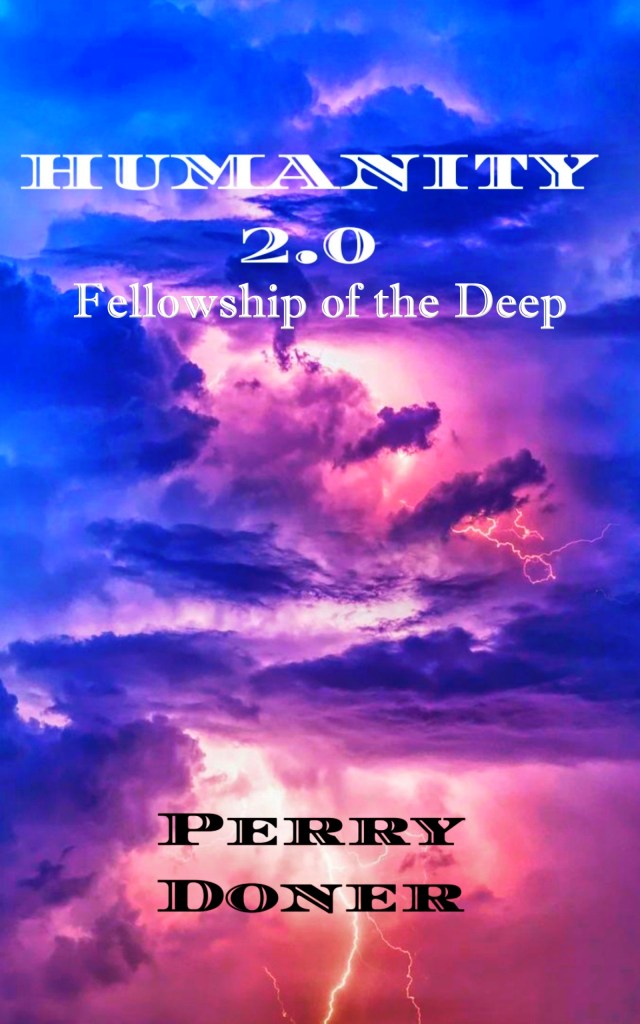
A Captivating Exploration of Identity and Destiny in a World Transformed
⭐⭐⭐⭐⭐ (5 out of 5 stars)
Perry Doner’s “Humanity 2.0: Fellowship of the Deep” is a compelling blend of speculative fiction, romance, and thoughtful introspection into human existence and destiny. From the outset, the narrative grips readers with a profound yet relatable sentiment, citing Albert Einstein’s philosophy on technology and human welfare, and skillfully setting the tone for the entire story.
The book centers around Song, a young woman transitioning from a sheltered life in Wuhan, China, to a new existence in Vancouver, Canada. After the sudden loss of her parents and grandmother, Song navigates the challenges of independence, forming meaningful relationships, particularly with her grandmother Granny M, roommate Jackie, and later with Mage, a mysterious young man who dramatically enters her life. Their emotional connections are portrayed authentically, rich with dialogue that feels both natural and engaging, exemplified when Granny M humorously asks Song daily, “So, my darling granddaughter, what did you learn today?”
Doner’s characters are well-developed, each carrying emotional depth and distinct personalities. Song is especially compelling, transitioning from a hesitant, isolated youth to a vibrant, self-assured woman. Mage is equally intriguing, with his layered backstory and personal loss paralleling Song’s. Their relationship blossoms authentically, showcased through exchanges like Mage’s playful reassurance, “Let me, let me,” when Song moves to refill her coffee, encapsulating the affectionate dynamic they share.
The writing style is consistently engaging, balancing reflective introspection and swift narrative pacing, effectively keeping readers invested throughout the storyline. Particularly notable are the atmospheric descriptions of Vancouver, capturing the essence of Song’s newfound freedom and emotional journey through vivid imagery such as the enchanting snowstorm and vibrant club scene where Song exclaims, “This is so fun! We should do this every night!”
One minor critique, however, could be the rapid escalation in Song and Mage’s relationship, which, although emotionally compelling, may feel accelerated to some readers. A more gradual progression might enhance believability and allow deeper exploration of their emotional and psychological development.
Thematically, Doner masterfully explores identity, grief, and resilience against a backdrop of technological advancement and societal change. The introduction, featuring an imagined United Nations report claiming, “Humanity 2.0 was, quite simply, the most significant discovery in the history of mankind,” hints at broader existential themes that promise rich, ongoing development throughout the series.
Doner employs symbolism effectively, particularly with Song’s distinct green eyes, symbolizing her unique cultural heritage and personal evolution—both exotic and familiar, reflecting her internal struggle with identity.
Targeted toward readers who appreciate speculative fiction with emotional depth and character-driven narratives, this book will resonate especially with those intrigued by futuristic scenarios rooted firmly in human relationships and emotional authenticity. Fans of literary works that blend personal drama with global implications will find much to appreciate here.
Overall, “Humanity 2.0: Fellowship of the Deep” offers a profound, emotionally resonant exploration of personal identity and destiny within a rapidly evolving world. Doner delivers a story rich in character, beautifully woven with relatable experiences and a thoughtful examination of humanity’s future. Highly recommended for readers seeking both emotional depth and intellectual engagement.

