A Poignant Tale of Grit, Love, and Legacy in the Great Depression
⭐⭐⭐⭐⭐
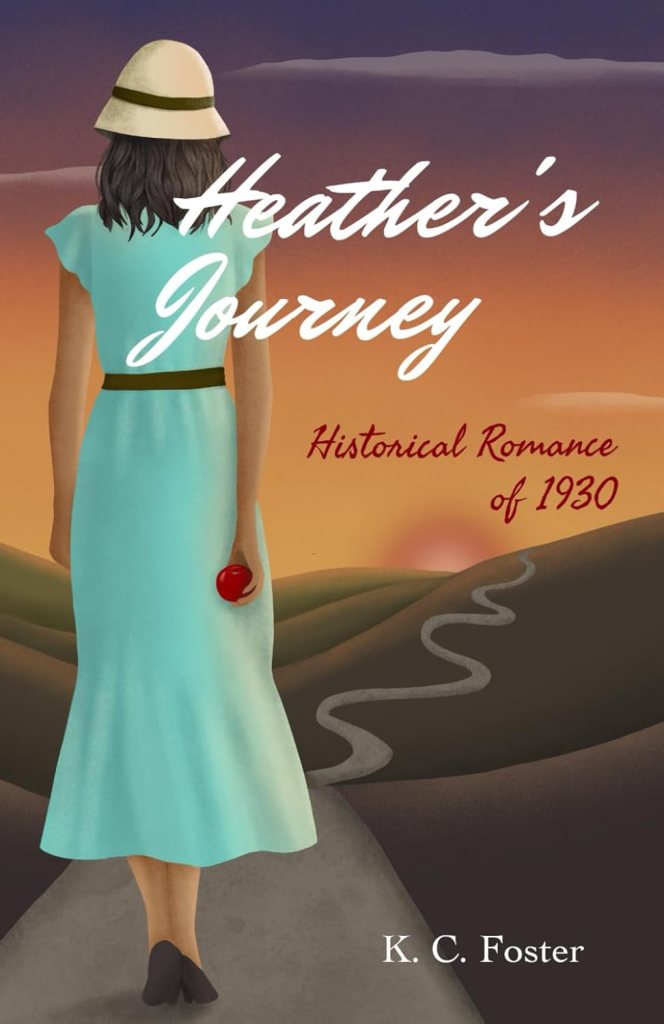
K.C. Foster’s Heather’s Journey: Historical Romance of 1930 is a vibrant, heartfelt tribute to resilience, identity, and the complexity of family during one of America’s most trying eras. Set against the textured backdrop of Depression-era Illinois, this novel is an evocative, character-driven story that blends romance, coming-of-age, and generational trauma with rich historical detail and unforgettable voices.
The novel centers around nineteen-year-old Heather Randolph, a young woman of color navigating grief, love, and self-discovery following the tragic death of her father, Hugh. Working in her family’s store, Dodge Grocers, Heather’s world begins to unravel as secrets, betrayal, and sudden violence upend her quiet life. Alongside her younger sister Mae, Heather must reckon with the legacy of a missing mother, a complex relationship with her father’s best friend Renato, and the burdens of being a woman of color in a town wrapped in its own contradictions.
Foster’s characters are deeply human and sharply drawn. Renato Reyes-Sanchez is particularly compelling—handsome, brooding, and conflicted, a Puerto Rican bootlegger turned grocer whose loyalty and past sins haunt him. His tender, unspoken bond with Heather builds slowly, delicately, creating a believable and emotional core to the story. This tenderness is captured poignantly when Heather, staring at Renato in his hospital bed, thinks: “Just us, nobody around… She placed her lips on his soft lips and kissed him!” A moment filled with longing and grief that perfectly encapsulates their complex connection.
Heather herself is a fascinating protagonist—fiercely loyal, stubbornly independent, and emotionally rich. Her inner life is beautifully rendered, especially in moments of introspection: “She dreamed of being in love in Savannah… He’d smile and say, ‘It’s hot outside, Heather.’ And he’d start singing like an angel every night to her, no matter how hot it was.” These dreams contrast sharply with the harsh realities she faces, especially after the trauma of her father’s murder and Renato’s near-death.
Foster’s prose is lyrical and lush, balancing humor and heartbreak with precision. The pacing allows room for emotional beats to land—each chapter drawing the reader deeper into the tangled web of family loyalty, racial identity, and personal transformation. The dialogue is often witty and grounded, with Mae providing comic relief and chaos, like the unforgettable moment when she pulls Renato’s pants down in the kitchen or clutches a dead duck in the grocery store: “I don’t hug naked birds!” she proclaims.
The themes of abandonment and longing are woven through the narrative with grace, especially in the complex portrayal of Sylvia, Heather’s estranged mother. Her reappearance brings chaos and disillusionment, forcing Heather to confront both hope and disappointment: “Girl, about time! The sun done come up,” Sylvia says, a line brimming with bravado and buried regret.
While some relationships—particularly romantic ones—might feel abruptly intensified, they are grounded in the emotional realities of loss and survival. The trauma Heather endures reshapes her understanding of love, destiny, and herself. One of the novel’s most haunting exchanges comes when Renato quietly asks, “Do I break your heart, Heather?”—a line that captures the fragility and depth of their connection.
Technically, Foster excels in creating atmosphere. The historical setting feels alive without being overbearing, from the fading storefront to the racial dynamics of 1930s Illinois. The town of Sterling, the Whitneys’ secrets, the rhythm of Dodge Grocers—all breathe with authenticity.
This book is especially suited for readers who love historical romance with substance and emotional nuance—those who appreciate layered characters, evocative settings, and a good cry. Fans of Brit Bennett’s The Vanishing Half or Lalita Tademy’s Cane River will likely find Foster’s work both moving and memorable.
Overall, Heather’s Journey is a powerful, character-driven narrative filled with heartache, wit, and the unshakable pursuit of something better. Foster has crafted a story that honors the resilience of its characters while capturing the timeless ache of growing up, letting go, and finding home.

