An Unsettling and Deeply Emotional Fantasy Sequel That Dares to Challenge Its Young Hero
⭐️⭐️⭐️⭐️
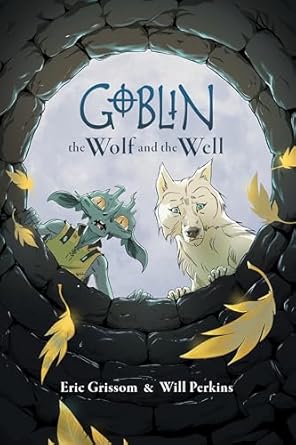
In Goblin: The Wolf and the Well, the second installment in Eric Grissom and Will Perkins’ graphic novel series, the world gets darker, the questions get bigger, and the emotional stakes deepen. Following the events of Book 1, where young goblin Rikt set off on a path of loss and growth, this sequel picks up with him haunted by the fear of losing again—this time, his closest companion, a wolf named Fish-breath.
The story opens with a mysterious encounter: Rikt and Fish-breath seek shelter from a storm and end up at the door of a witch who delivers three ominous prophecies. The first two soon come true, and with the third predicting a terrible fate for Fish-breath, Rikt is desperate to protect her. That desperation leads him to Underwood, a hidden school run by the seemingly kind Ms. Evelyn, who promises safety and structure to monstrous children and “wayward wolves.”
But safety has a price.
Grissom takes a bold turn here, shifting from the open-road fantasy adventure of the first book to a more psychologically tense, eerie boarding school setting. There’s something off about Underwood from the beginning. Ms. Evelyn’s pleasant words mask a system of strict control, manipulation, and quiet cruelty. When Rikt begins his stay, he’s separated from Fish-breath and promised visitation rights—if he behaves. “You may find you don’t want to leave,” Evelyn says, almost too sweetly.
As the story unfolds, Rikt navigates Underwood’s tightly monitored halls, meets a cast of misfit students—some kind, others cruel—and begins to uncover the unsettling truth behind Evelyn’s perfect façade. The moment he realizes “this door is locked!” is a chilling reminder that he’s no longer a guest—he’s a prisoner.
The emotional core of the book is Rikt’s loyalty to Fish-breath. He’s constantly torn between playing along for a shot at seeing her or pushing back against a system that wants to mold him into something else. When Evelyn tells him, “She’s happy… even if you aren’t,” it cuts. It’s gaslighting dressed in concern, and the book handles it with a quiet intensity that’s both subtle and devastating.
There are strong new characters too. Oola, a troll girl who quietly endures the system, and Gabe, a sarcastic faun with a stuffed animal named Mr. Butterbeans, bring humor and pathos. Gabe in particular offers a grounded foil to Rikt’s idealism: “There’s nothing out there for creatures like us,” he says, capturing the fear of being different in a world that doesn’t make space for you.
Will Perkins’ art continues to shine—expressive, fluid, and emotionally resonant. Underwood is drawn with a haunting beauty, its architecture both magical and oppressive. The scenes between characters are alive with detail, and the color palette shifts with the mood—warmth when Rikt remembers better times, muted blues and grays as reality creeps in.
If there’s one area where the story drags a bit, it’s in the middle, where some sequences within Underwood feel slightly repetitive. But the payoff is worth it. The themes of control, indoctrination, identity, and resistance are handled with nuance, especially for a book aimed at middle-grade to young adult readers.
This installment also expands the world of Evonia in meaningful ways—through glimpses of ancient magick, the legacy of the First Tree, and references to a hidden group known as the Dark Sisterhood. These elements deepen the mythos without overwhelming the central story, keeping Rikt’s emotional journey front and center.
This book is ideal for readers ages 10 and up who enjoy graphic novels that aren’t afraid to go dark emotionally, especially if they deal with real-world ideas through a fantasy lens. Fans of Amulet, The Witch Boy, or The Last Kids on Earth series will likely find a lot to love here—especially if they’re drawn to layered world-building and characters who fight for their sense of self.
Goblin: The Wolf and the Well is a more introspective and morally complex chapter in Rikt’s story. It’s about standing up when it’s easier to stay quiet, about love that holds on even when it’s hard, and about learning to tell the difference between safety and freedom. Rikt may be small, but his story continues to grow in size, strength, and meaning.

